





Red
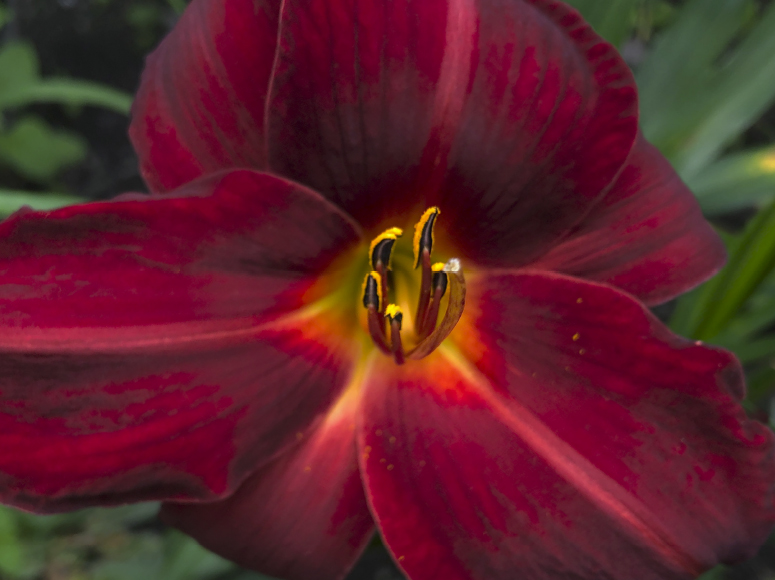
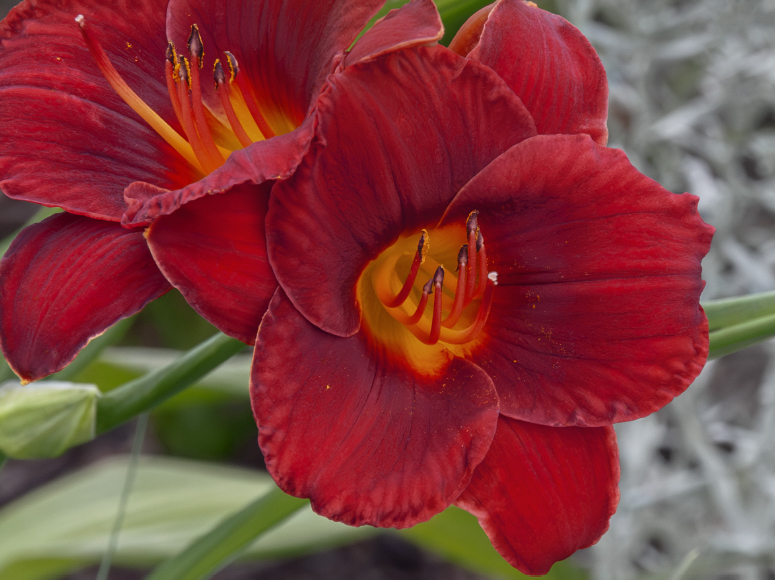
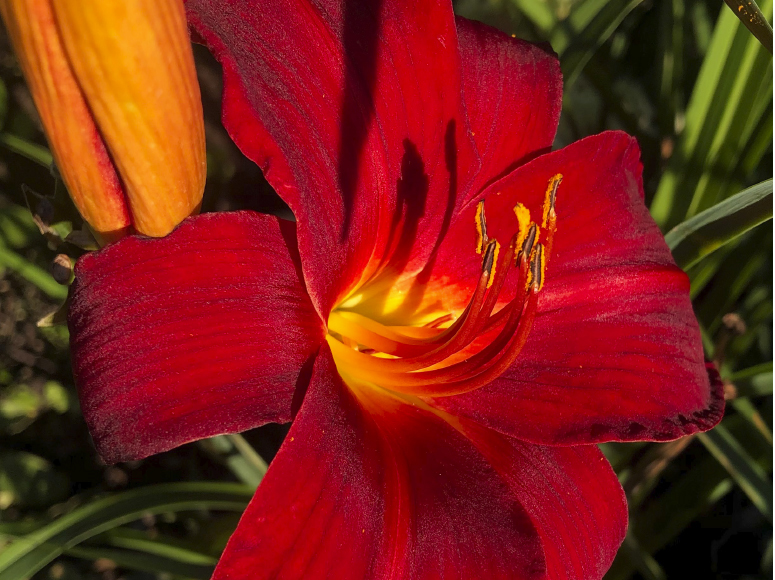
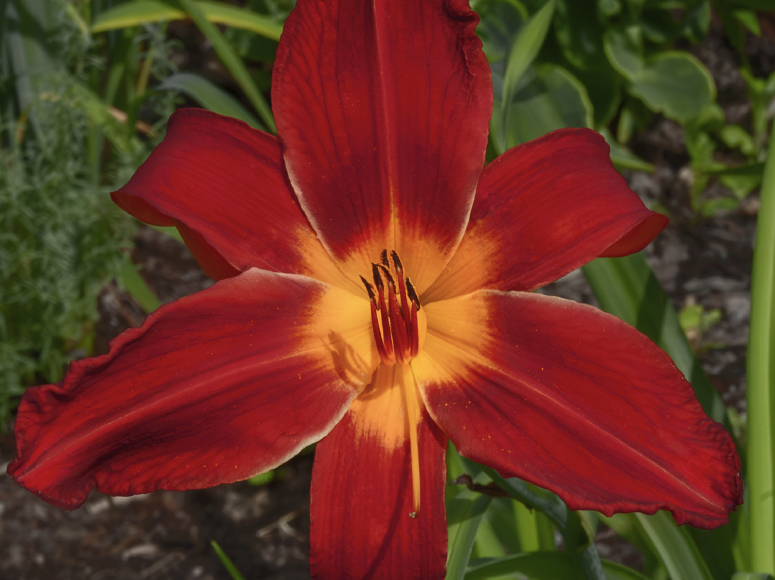
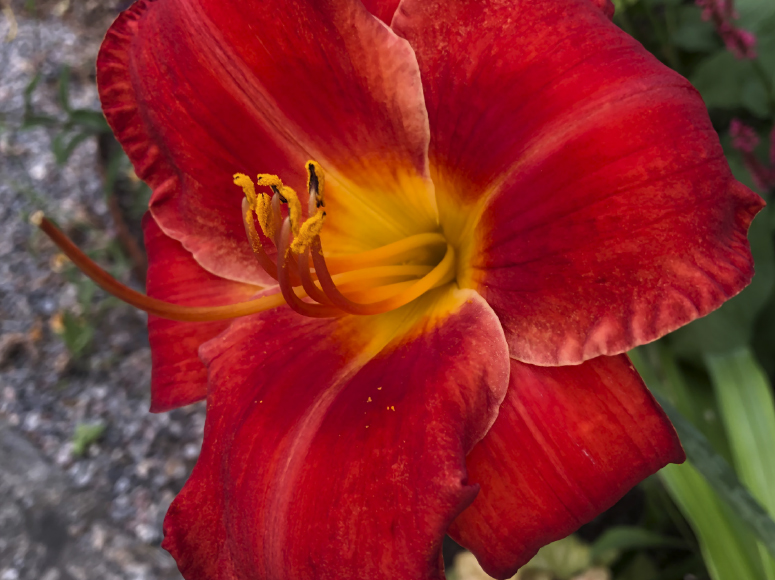
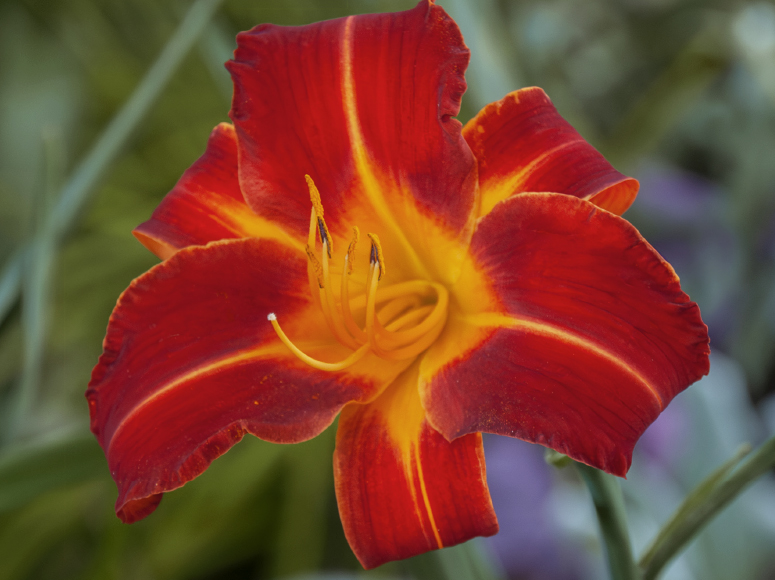
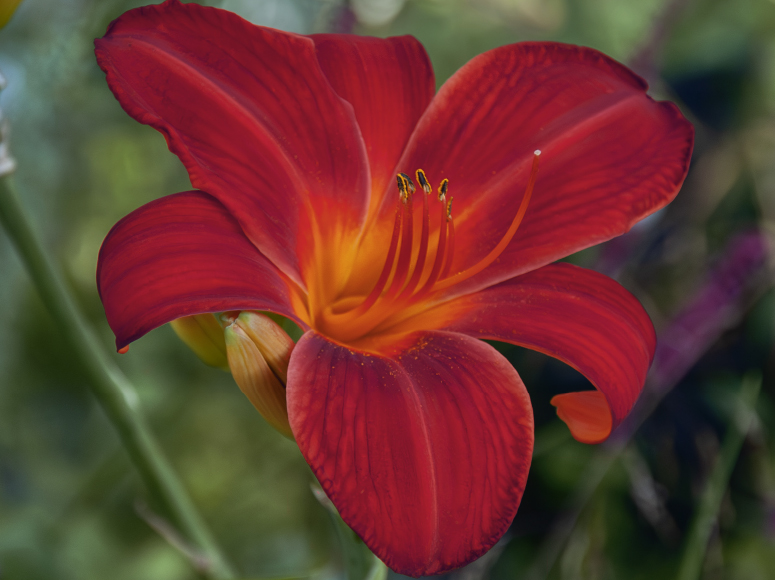
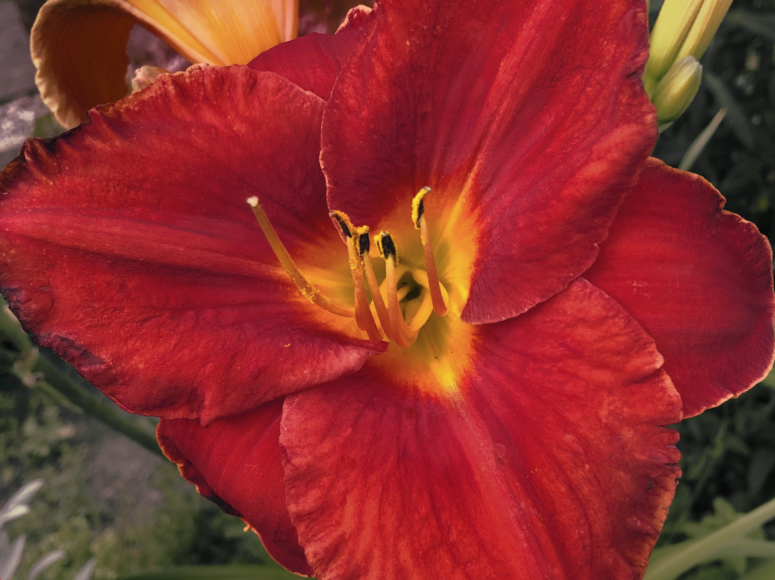
Breeders have made remarkable progress in developing red daylily varieties over the past century, transforming the rather dull, brownish-red tones seen in wild forms—particularly the tawny, fulvous shades of Hemerocallis fulva (the classic “ditch lily” or orange daylily)—into vibrant, eye-catching reds that dominate modern gardens.
Early efforts focused on achieving brighter red hues while working with the narrow, star-shaped flower forms typical of the species. Pioneers like Dr. A.B. Stout spent decades selectively breeding across multiple species, including H. fulva ‘Europa’ and H. aurantiaca, to intensify pigmentation and eliminate unwanted orange or yellow influences. This painstaking work culminated in landmark introductions like ‘Theron’ in the 1930s, widely regarded as the first truly red daylily—a deep, burgundy-leaning crimson that marked a major breakthrough after years of crossing and selection.
The shift to tetraploid cultivated forms represented another huge leap forward. By converting diploids (with 22 chromosomes) to tetraploids (with 44 chromosomes, often using colchicine), hybridizers created plants with larger blooms, broader petals, thicker substance, and a luxurious velvety texture that made reds appear richer and more sumptuous. Tetraploids also brought improved vigor, sturdier scapes, and greater potential for bold color saturation.
Today’s top reds represent the culmination of this long evolution: sunfast, prolific bloomers with excellent form, branching, and often reblooming habits.
More details on featured cultivars
Individual pages for all featured cultivars will be added in the future. For complete registration info, parentage, hybridizer details, and more on any daylily, visit the official American Hemerocallis Society Daylily Database: search by cultivar name or hybridizer here.