


Melon
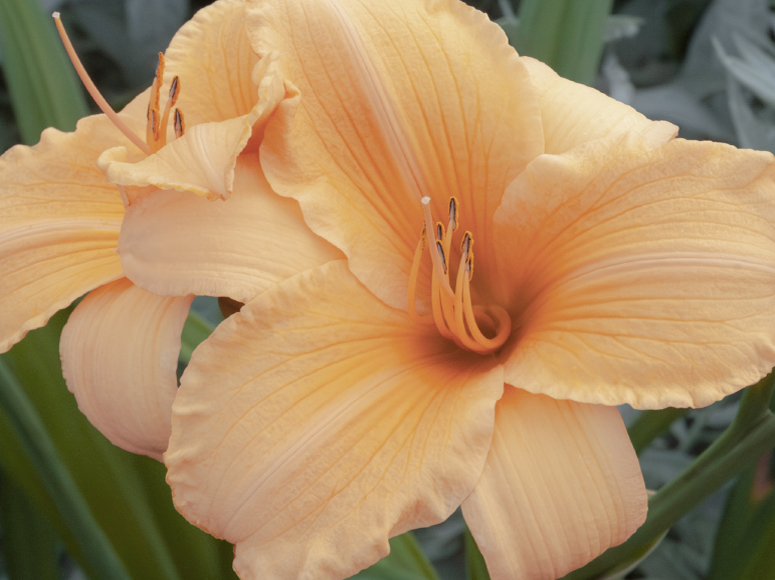
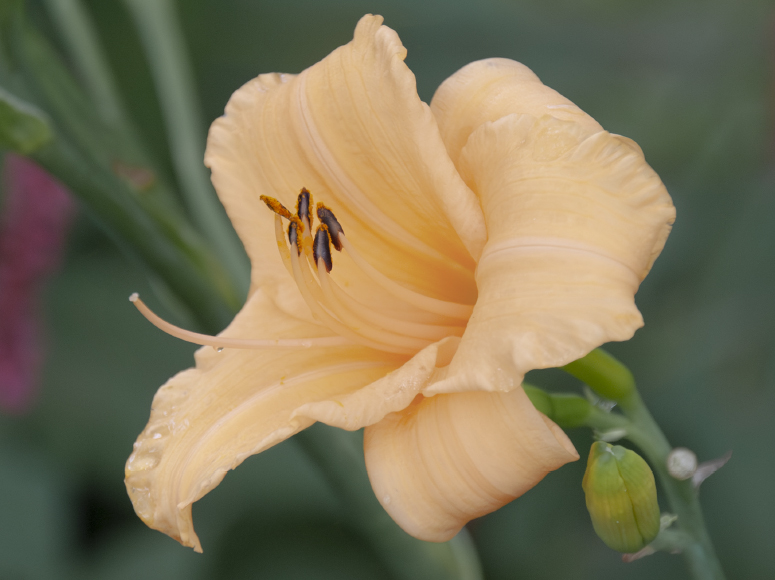
The term “melon” in daylily nomenclature refers not to the green rind or red flesh of a watermelon, but to the soft, inviting orange-pink hue of cantaloupe (or muskmelon) flesh—widely appreciated in the USA and a classic reference for this color class.
Melon-colored daylily varieties span a beautiful range of shades, from very pale melon (almost creamy or near-white) to rich, deep melon with stronger pink undertones. Genetically, this color class typically involves carotenoid pigments (like those producing yellows) modified by subtle anthocyanin influences, resulting in warmer, fleshier tones than pure yellows while remaining distinct from bolder oranges or pinks.
More details on featured cultivars
Individual pages for all featured cultivars will be added in the future. For complete registration info, parentage, hybridizer details, and more on any daylily, visit the official American Hemerocallis Society Daylily Database: search by cultivar name or hybridizer here.